April 20, 2009

Kabab Deegi - Iranian Pan Kabab


کباب Kabab/kebab is one of the great dishes for outdoor gatherings. There are so many varieties, such as koobideh (ground meat kabab), barg (beef tenderloin), joojeh kabab (chicken), or fish kabab, just to name a few. 

Since we haven’t set up our new grill yet, I am settling for کباب دیگی/کباب تابه ای kabab deegi, the stove-top pan kabab. I don’t know of any Iranian who doesn’t know how to make kabab. It feels as if the love for a good kabab, along with the know-how of preparing it, has been passed down through our genes from one generation to the next. This particular recipe is especially for people like my daughter, who one day might get tired of campus food and want to try making something quick, simple, and delicious.

Traditionally, for kababs grilled on skewers, we use 2-4 pounds of ground meat: ground beef, lamb, or a combination of the two. There was always plenty to feed the whole family, with enough left over for the occasional uninvited neighbor or guest who might drop by unexpectedly. 

The stove-top kabab cooks quickly and doesn't take much effort. You can also make kabab deegi in the oven, just bake at 350 degrees Fahrenheit for about 50 minutes or until fully cooked.


Kabab Deegi- Pan Kabab

Ingredients
Serves 4

-1 pound ground meat (beef, lamb, or turkey)  
-1 medium onion, grated
-1/2 teaspoon turmeric
-1/2 teaspoon salt
-1/4 teaspoon pepper
-1 tablespoon olive oil
-2-3 medium-sized tomatoes, cut into wedges

 Method:
  1. In a mixing bowl, combine ground meat, grated onion, turmeric, salt, and pepper. Mix well until everything is well combined
  2. Lightly oil a medium-sized frying pan with 1 tablespoon of oil. Press the meat mixture into the pan, starting at the center and spreading it evenly to the edges. 
  3. Place the pan over medium-high heat for 10 minutes. Cut the meat into strips (or into wedges, like pizza slices). Flip each piece over, add the tomato wedges to the pan, cover, and continue cooking over medium-low heat for 30-40 minutes, or until fully cooked.

Sprinkle generously with sumac (available in Iranian grocery stores). Serve hot with rice, sabzi khordan, sliced onions, and a chilled yogurt drink (doogh).

Enjoy!

March 17, 2009

Torshi Makhloot - Persian Mixed Vegetable Pickle


Torshi Makhloot- Persian Pickled Vegetables

ترشی مخلوط  Torshi (pickled vegetables) are the perfect tangy, crunchy, and flavorful accompaniment to Persian dishes, such as abgousht (lamb soup), kababs, kotlets, and polow & khoresh (rice and stew). There are many varieties of torshi, but this torshi makhloot is a classic blend of fresh vegetables, fragrant herbs, spices, and vinegar.

Torshi Makhloot - Mixed Vegetable Pickle

Ingredients

-3 large carrots, washed, peeled, finely chopped or shredded
-2 medium eggplants, peeled, diced
-2 green bell peppers, washed, cleaned, and diced
-1 small cauliflower, washed, finely chopped
-1 small head of celery, washed and finely chopped
-1/2 cup shredded white cabbage

-Fresh herbs (1 cup each): parsley, coriander, dill, washed, dried, and finely chopped
-Additional herbs (2 tablespoons each fresh or dried tarragon, mint, basil

-2 tablespoons dried lime powder (limoo amani)
-2 tablespoons crushed angelica (golpar)
-2 tablespoons nigella seeds (siah daneh)
-2 tablespoons fennel seeds (razianeh)
2 tablespoons coriander seeds (tokhm-e geshneez)
-7 garlic cloves, finely chopped
-4 tablespoons salt
-2 red hot peppers, dried or fresh, chopped
-1 teaspoon turmeric 

5-7 cups white vinegar

Method
  1. Prepare eggplants: sprinkle with salt and either bake in a preheated 350°F oven for 20- 25 minutes, or cook with 1/2 cup of water over medium-low heat for 15 minutes. Set aside to cool.
  2. Make sure all herbs and vegetables are completely dry before mixing. Spread washed herbs on a tablecloth for several hours to air-dry.
  3. In a large mixing bowl, combine all vegetables, herbs, and spices; mix well.
  4. Using a wooden spoon, pack the mixture into clean glass jars. Pour additional vinegar if needed to cover the vegetables completely. 
  5. Sprinkle 1 teaspoon of salt into each jar before closing the lid tightly.
  6. Store jars in a cool, dry place for at least 2 weeks before serving.  
Enjoy!

March 15, 2009

Khoresh Bademjan - Eggplant Stew

Khoresh Bademjan


خورش بادمجان Traditional Iranian lamb and eggplant stew with yellow split peas and tomatoes, is a beloved classic in Persian cuisine. Khoresh bademjan is a beautiful balance of flavors and textures. The combination of savory lamb, creamy eggplant, and tangy tomatoes creates a satisfying meal that has long been a favorite among Iranians.

Khoresh Bademjan - Eggplant Stew

Ingredients

Serves 6

-1 pound lamb or beef, washed and cubed
-2 large eggplants, peeled, sliced, and salted (about1-2 tablespoons of salt)
-2 medium tomatoes, peeled and chopped
-1 large onion, chopped
-2-3 cloves of garlic, minced
-4 limoo amani (dried lime)
-1 (15-ounce) can tomato sauce
-1/2 teaspoon turmeric
-1/4 teaspoon cinnamon
-Salt and pepper to taste
Juice of 1 lime, or to taste, or 1-2 tablespoons verjuice or 1 teaspoon gard-e ghooreh (unripe grapes) (ground sour grapes)
Vegetable oil

Method
  1. Place the salted eggplant slices in a large container of water. Weigh them down with a heavy lid or bowl to keep them submerged for 10 minutes. Drain, pat dry, and set aside.  
  2. Heat 1/2 cup of oil in a large skillet over medium-high heat. Fry the eggplant slices until golden brown on both sides. Transfer to a paper towel-lined plate to absorb excess oil. 
  3. Gently place tomatoes in boiling water for about 1-2 minutes, then transfer to a bowl of ice water. Once cool, peel off the skins and chop.
  4. Heat 3 tablespoons of oil in a large saucepan over medium-high heat. Sauté chopped onions until soft and translucent. Add garlic and cook for about 2 minutes. Stir in turmeric, lamb cubes, salt, and pepper. Mix thoroughly. Cook until the meat is brown on all sides.  
  5. Add chopped tomatoes, tomato sauce, and enough water to cover the ingredients by an inch. Bring back to a boil, reduce the heat, cover, and cook for 40-50 minutes.  
  6. Add fried eggplants and dried limes. Add more water if needed. 
  7. Cover and cook for another 20 minutes or until the meat is tender. 
  8. Add lime juice or verjuice and cinnamon, cover, and simmer for another 15 minutes on low heat, allowing all the flavors to blend..  
Serve hot over steamed basmati rice, with fresh herbs, salad shirazi, torshi, or mast o khiar.

Enjoy!

March 05, 2009

Kookoo Sabzi


Fresh Herb Kookoo

کوکوسبزی Kookoo sabzi is a Persian herb dish traditionally served during Nowruz (Persian New Year) celebrations. This one-pan vegetarian dish is packed with a variety of fresh herbs and just enough eggs to bind everything together. Baking it in the oven instead of frying keeps it lighter and less oily, making it a great option for the health-conscious cook. Once the herbs are cleaned and chopped, assembling and cooking this dish is quick and simple.

Fresh Herb Kookoo

Kookoo Sabzi
Serves 6-8

Ingredients

-2 bunches fresh flat-leaf parsley, stems removed, chopped
-2 bunches scallions or chives (Iranian tareh), chopped
-1 bunch fresh dill, stems removed, chopped
-1 bunch fresh cilantro, chopped
-2 tablespoons barberries (zereshk), rinsed (available in Iranian/Persian markets)
-2 tablespoons walnuts, chopped
-1 tablespoon flour
-1 teaspoon baking powder
-6 large eggs
-1/3 teaspoon turmeric
-1 teaspoon salt
-1/2 teaspoon black pepper
-A pinch of red pepper
-1-2  tablespoons butter
-Olive oil 

Method
  1. Preheat the oven to 350°F. Generously butter a medium baking dish (or grease with oil) and set it aside.
  2. In a large mixing bowl, beat the eggs with a fork or whisk until well blended
  3. Add all the chopped herbs, barberries, walnuts, turmeric, flour, baking powder, red pepper, salt, and pepper, mix well to combine. 
  4. Stir in 2-3 tablespoons of olive oil.
  5. Pour the mixture into a prepared baking dish, smoothing the top evenly.
  6. Bake for about 30-40 minutes or until the center is firm. 
  7. Remove from the oven and allow to cool slightly before cutting into serving-size pieces. 
Transfer to a serving platter. Serve warm or at room temperature with bread and mast o khiar and torshi (pickles).

Enjoy!

March 01, 2009

Sabzi Polow Mahi - Herb Rice with Fish

Iranian Sabzi Polo (Herbed Rice) with Mahi (Fish)

سبزی پلو با ماهی Sabzi polow (herbed rice) and crispy pan fried mahi (fish) is one of the main traditional meals for Nowruz - Persian New Year. There's only few weeks left before Nowruz and I'm all ready for the cold winter to be over. The weather is still very cold, the grass is brown and there are no blossoms on the trees. However, yesterday I made Sabzi polow - herbe rice with fried fish. These are traditionally served on New Year's day.

Persian Herbed Rice with Fish
Iranian Mahi (Fish) Crispy Pan Fried
Mahi- Fried Fish-Iranian-Style
Iranian Herbed Rice with Fish

Sabzi Polow Mahi - Herb Rice with Fish

Ingredients:
Serves 6

2 cups long grain (basmati) rice
1 cup chopped fresh parsley
1 cup chopped fresh dill
1 cup chopped fresh coriander
1 cup chopped fresh scallions (green parts only), use tareh instead if you can find them in markets where you live
3-4 garlic cloves
1/2 teaspoon saffron dissolved in 4 tablespoons hot water
Salt
Vegetable oil or butter
Water

Method:
  1. Clean, wash, dry and finely chop the herbs and mix them together in a large bowl. It’s better to use fresh herbs for this dish; however there is always the dried sabzi polow herb mix that you can find in Iranian grocery stores.
  2. Wash the rice with cool water a few times. Soak in 8 cups of water, add 4 tablespoons of salt and set aside for a couple of hours. In a large non-stick pan, bring 3 quarts of water to a rapid boil. Drain the rice and add to the pot. Bring water to back to a boil for about 5-7 minutes. Test to see if the rice is ready. Rice should be firm in the center and soft on the outside. Strain the rice using a colander and rinse with cool water.
  3. Wash and dry the pot and return to heat, add 4 tablespoons of vegetable oil and a few drops of liquid saffron. With a large spatula place the rice into the pot, place a layer of rice and a layer of vegetables building it into a pyramid shape. Place the peeled garlic cloves in between rice. Make 4 holes in the rice with the bottom of the spatula to release the steam. 
  4. Cover and cook for 7-10 minutes on medium-high heat until rice is steaming. Pour 2 tablespoons of oil and 2-3 tablespoons of water over the rice, lower the heat, cover and steam the rice for 50 minutes on medium-low heat.With a large scoop take some rice from the top, mix in with the dissolved saffron and set aside. Serve rice on a platter; sprinkle the mixture of rice and saffron on top.

Mahi - Fish

Ingredients:
Serves 6

6-8 pieces of white fish fillet or a fish of your choice
1 cup flour (to coat fish)
Garlic powder
A pinch of red pepper
A pinch of turmeric powder
Salt and black pepper
Vegetable oil
1 large Lime

Method:
  1. Season fish on both sides, lightly coat the fillet with flour and  shake off any excess flour.
  2. Heat 3 tablespoons of vegetable oil in a skillet over medium heat, place fish in the pan and fry until golden brown and crispy on both sides.
  3. Place the fried fish on a serving platter, squeeze lime juice over the fillets. 
Serve sabzi polow and mahi with fresh herbs, salad and pickles (torshi).

Enjoy!

February 11, 2009

Mirza Ghasemi


میرزا قاسمی Mirza Ghasemi is a tasty and delicious dish from the northern region of Iran, especially popular along the Caspian Sea coast. If you enjoy eggplants and garlic, this smoky, garlicky dish will win you over at first bite. It's one of my favorites, but of course, I love any dish that features eggplants! 

 This is a vegetarian casserole made with grilled eggplants, ripe tomatoes, and plenty of garlic, seasoned with turmeric, salt, and pepper. Some cooks add onions, but the authentic version is traditionally prepared without them. Mirza Ghasemi can be served as a side dish, appetizer, or even a main course. Served with warm bread and fresh herbs. 

Mirza Ghasemi
Ingredients
Serves 4

-2 large eggplants
-3 large tomatoes, remove the skin and chop into small pieces
-7 garlic cloves, finely chopped
-3 eggs, lightly beaten
-1 teaspoon tomato paste
-1/3 cup vegetable oil
-1 teaspoon turmeric
-Salt and pepper to taste

Method
  1. Preheat oven to 400 degrees Fahrenheit.
  2. Pierce the eggplants and roast for about 40 minutes until the skin is charred and the flesh is tender. Or grill them over open flame for a smoky flavor. Set aside to cool. 
  3. Peel the skin off the eggplants and mash the flesh with a fork.
  4. In a large skillet, heat the oil over medium heat. Add the garlic and saute until lightly golden. Stir in the turmeric.  
  5. Add the mashed eggplants and cook for about 15-20  minutes, stirring frequently. 
  6. Stir in the chopped tomatoes, tomato paste, salt, and pepper. Cook for an additional 10-15 minutes until the mixture thickens 
  7. Pour the beaten eggs over the mixture, stirring continuously until they are fully incorporated. (about 3-4 minutes).
  8.  Taste and adjust the seasoning as needed.
Serve with warm bread and fresh herbs.


Enjoy!

February 02, 2009

Saffron Ice Cream


This aromatic saffron and rosewater-flavored ice cream, a traditional Iranian favorite, is enriched with bits of frozen heavy cream for extra flavor and texture. Bastani Akbar Mashti is enjoyed either scooped into individual bowls or sandwiched between two thin, crispy wafers.. This بستنی - bastani recipe offers a quick and easy way to recreate the beloved classic at home.


Bastani - Persian Saffron Rosewater Ice Cream

Ingredients

-1/2 gallon vanilla ice cream, slightly softened at room temperature
-1 cup heavy cream
-1/4 teaspoon crushed saffron, dissolved in 2-3 tablespoons of hot water and cooled
-2 tablespoons rosewater

Garnish

-Crushed pistachios

Method
  1. Pour the heavy cream into a flat plastic container with a lid and freeze for 3-4 hours or until firm.
  2. Remove the frozen cream and cut it into small pieces. 
  3. In a large mixing bowl, combine the softened vanilla ice cream, frozen cream pieces, liquid saffron, and rosewater. Mix thoroughly. 
  4. Transfer the mixture into a freezer-safe container and freeze for 4-5 hours, or until set. 
To serve: Scoop into bowls, sprinkle with crushed pistachios, and enjoy

Enjoy!

January 27, 2009

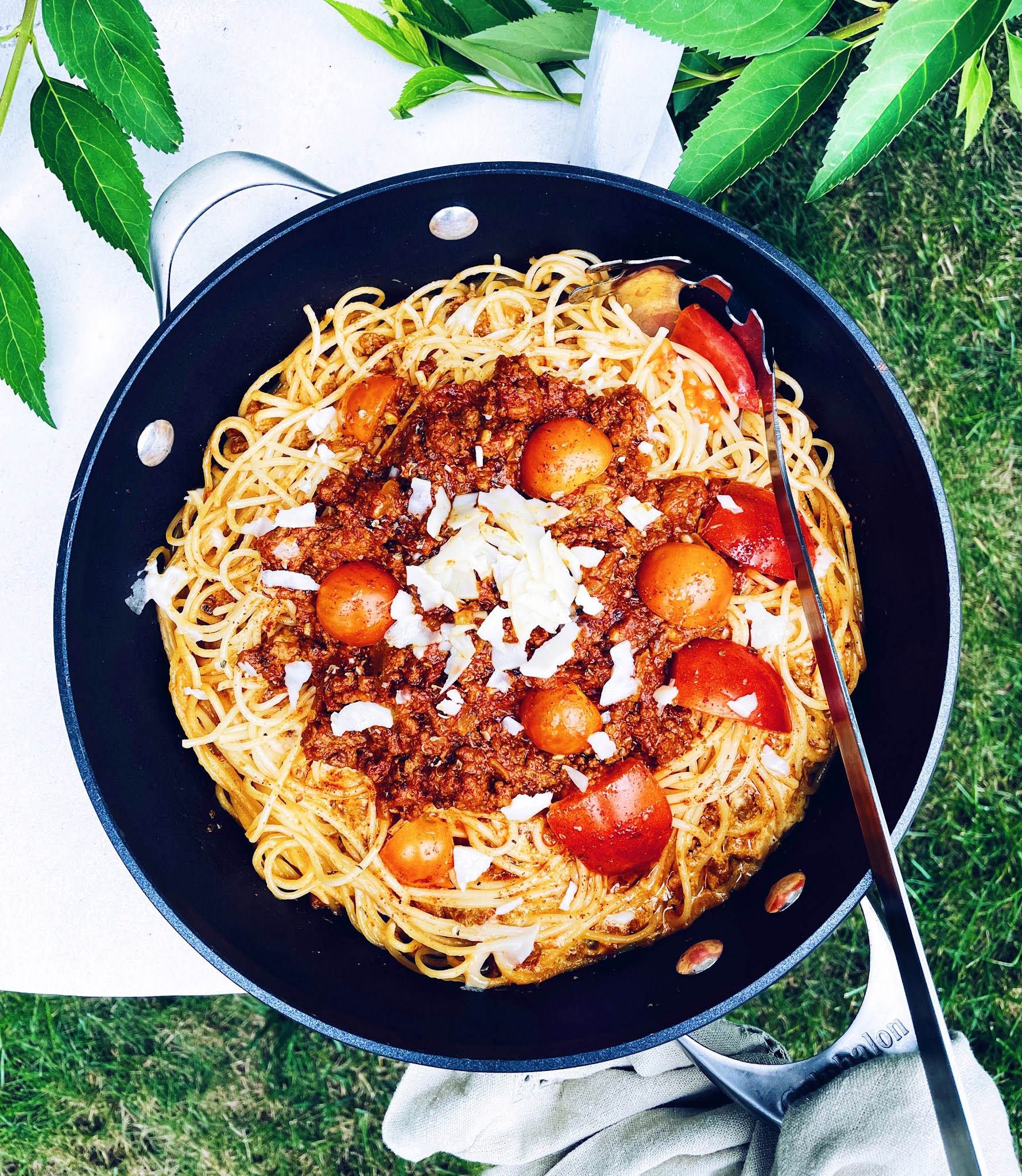
Persian Macaroni


Macaroni

Persian-style macaroni (spaghetti) is a delicious dish made with ground beef, onion, garlic, and tomato sauce. It's quick to prepare and perfect for lunch or dinner any time of year, a family favorite that everyone will love. I usually make this dish with thin spaghetti noodles, but you can use any type of pasta you prefer..

Iranian Macaroni (Spaghetti) with Meat Sauce

Persian Macaroni (Spaghetti)

Ingredients

Serves 4

-1 pound lean ground beef
-1 large onion, finely chopped
-3 garlic cloves, minced
-2 tablespoons tomato paste
-1 (14-ounce) can tomato sauce
-1/2 teaspoon turmeric
-1/2 teaspoon dried oregano
-A pinch of cayenne pepper
-Salt and pepper to taste
-Olive oil

-1 lb thin spaghetti


Method

  1. In a large skillet, heat 3 tablespoons of olive oil over medium-high heat. Add the onion and saute until translucent. Add the garlic and cook for 2-3 minutes. Stir in the turmeric. 
  2. Add the ground meat, and brown well. Stir in the tomato paste, cook for 2-3 minutes. Add the tomato sauce, salt, pepper, cayenne pepper, and oregano, along with 1 cup of water. Mix well, cover, and simmer over low heat for about 30 minutes. 
  3. Bring a large pot of salted water to a boil. Cook the pasta according to the package directions until al dente. Drain and set aside. 
  4. Heat 2 tablespoons of oil in a heavy-bottomed nonstick pot. Add a layer of pasta, then spoon over some of the meat sauce. Continue layering pasta and sauce, building into a pyramid shape. Cover and cook for about 40 minutes over low heat to develop tahdig.
Serve with salad shirazi.

Enjoy!

January 19, 2009

Fesenjoon - Pomegranate Walnut Stew with Tiny Meatballs


Fesenjoon ba Goosht Ghelgheli

Traditionally, this iconic Persian stew is made with chicken, but every now and then, I prepare it with mini meatballs, and honestly, I think Fesenjoon ba Goosht Ghelgheli is every bit as flavorful as the classic version. What makes this dish so delicious is the deep, slow-simmered walnut and pomegranate sauce, bursting with sweet and tangy flavors. The flavor is a perfect balance of sweet and sour. A touch of saffron perfumes the stew, and the optional apple or butternut squash adds sweetness and body.

Fesenjoon/Fesenjan - Pomegranate Walnut Stew with Tiny Meatballs

Ingredients

Serves 4-6

-1 pound ground beef 
-1 1/2 cups walnuts, finely ground
-1 large onion, finely minced
-1 cup pomegranate molasses, plus more if needed
-3 tablespoons sugar, plus more if needed
-1 large apple, finely chopped, or 1/2 cup of butternut squash, peeled and cubed (optional)
- 1 teaspoon turmeric
-1/4 teaspoon saffron dissolved in 3 tablespoons of hot water
- Salt and pepper to taste
-Oil

Method
  1. In a heavy skillet, lightly toast the walnuts over medium heat for about 3-4 minutes, stirring frequently. Set aside.
  2. In a mixing bowl, combine the ground meat, turmeric, salt, and pepper. Shape into small meatballs and set aside.
  3. In a large pot, heat 3 tablespoons of oil over medium heat. Sauté the onion until golden brown. Add the meatballs and fry until browned on all sides. 
  4. Add the ground walnuts, cubed butternut squash, salt and pepper, and enough water to cover the meatballs. Bring to a boil, then reduce the heat. Cover and simmer for 45 minutes, stirring occasionally. 
  5. Stir in the pomegranate molasses, sugar, saffron, and a little more water if needed. Cover the pot with the lid slightly ajar and continue to cook on low heat for another 45 minutes. Taste and adjust the seasoning, add more sugar if you prefer it sweeter, or more pomegranate molasses for a tangier flavor. Fesenjoon should have a beautifully balanced sweet-and-sour taste. 
Serve warm with rice.

Here's the link for my other Fesenjoon recipe.

Enjoy!

January 12, 2009

Halva


My mother used to make large trays of delicious halva. حلوا - This traditional Persian sweet is prepared with wheat flour, butter, sugar, and rosewater. In Iran, halva is often made for religious holidays and is customarily served after funeral services. I, however, believe that you don't need a special occasion to enjoy it. Rich and comforting, halva can also be made ahead of time and stored in the freezer. 

Persian Halva

Ingredients

For The Syrup

-1 1/2 cups sugar
-1 1/2 cups water
-1/4 cup rosewater
-1/4 teaspoon ground cardamom
-1/4  teaspoon powdered saffron dissolved in 2 tablespoons of hot water

For The Halva

-2 cups whole wheat flour, sifted
-1 cup vegetable oil or unsalted butter 

For Garnish

-Slivered almonds
-Chopped pistachios
-Shredded coconuts

Method
  1. In a medium saucepan, combine sugar and water. Bring to a boil over medium heat, then add cardamom, saffron, and rosewater. Remove from heat and set aside.
  2. Place a heavy-bottom pan and dry-toast the flour over medium-low heat for 6-8 minutes, until fragrant and lightly golden. Stirring frequently.
  3. Add the oil or butter to the flour. Stir continuously over low heat for 10-12 minutes, until the mixture develops a nutty aroma.   
  4. Gradually pour the warm syrup into the flour mixture while stirring constantly, until fully absorbed and the halva thickens into a smooth paste. 
  5. Transfer the halva to a serving platter. Flatten and smooth the surface with the back of a spoon. Garnish with slivered almonds, chopped pistachios, and shredded coconuts. 

Enjoy!

January 08, 2009

Sholeh Zard - Persian Saffron Rice Pudding

Persian Saffron Rice Pudding

شله زرد  Sholeh zard - is a fragrant and flavorful traditional Iranian dessert made with rice, saffron, rosewater, and sugar, often garnished with cinnamon, slivered almonds, and pistachios. Preparing Sholeh Zard requires patience, but it is well worth the effort.

Sholeh Zard - Saffron & Rosewater Rice Pudding

Ingredients

Serves 8

-2 cups white rice
-2 cups sugar (adjust to taste)
-1 teaspoon ground saffron dissolved in 3 tablespoons of hot water
-1/2 cup slivered almonds
-1/2 cup rosewater
-2 tablespoons butter

Garnish
-2 tablespoons slivered almonds
-2 tablespoons ground pistachios
-1-2 tablespoons ground cinnamon

Method
  1. Rinse the rice under cool water until the water becomes clear. Drain, then place the rice in a large bowl with 6 cups of water. Soak for 6-8 hours. 
  2. Drain the soaked rice, place it in a large heavy-bottomed pot, add 8 cups of water, and bring to a gentle boil over medium heat. Reduce the heat, cover with the lid slightly ajar, and cook on low for 40 minutes or until the rice is soft and the water is fully absorbed, stirring occasionally with a wooden spoon to prevent sticking. 
  3. Add the sugar and stir until fully dissolved.
  4. Add the slivered almonds and butter, stirring well.
  5. Stir in the saffron and simmer over low heat for another 20 minutes. 
  6. Add the rosewater, cover, and cook gently for another 10-15 minutes over low heat. 
Spoon the rice pudding into a large serving bowl or small bowls. Garnish with cinnamon, almonds, and pistachios, and let cool for at least an hour before serving.

Enjoy!

December 29, 2008

Ghormeh Sabzi - Persian Herb Stew


خورش قورمه سبزی Khoresh-e Ghormeh Sabzi is one of the most delicious and popular dishes among Iranians. I’ve never met anyone who didn’t enjoy this flavorful khoresh. A rich combination of fresh,  aromatic herbs, slow-cooked lamb, tender beans, and tangy dried lemons makes this khoresh both delicious and nutritious. My mother used to call it a "Sabzi Stew" because she would add an abundance of vegetables, including spinach and dill. This recipe is my simplified version. 

Persian Herb Stew
Persian Herb Stew

Ghormeh Sabzi - Persian Herb Stew 

Ingredients

Serves 4-6

-2 pounds lamb or beef, washed and cubed
- 1 cup red kidney beans or pinto beans, soaked overnight
- 1 large yellow onion, finely chopped
- 4 bunches flat-leaf parsley
- 1 bunch cilantro
- 2 large leeks or 4 scallions (green stems only)
- 1 small bunch fresh fenugreek, or 1 tablespoon dried fenugreek (shanbalileh), too much fenugreek will make the stew bitter
- 3-4 dried lemons (limoo amani), pierce each lemon a few times with a fork
- 1 teaspoon turmeric
-Salt and pepper, to taste
Vegetable oil

Method
  1. Clean, wash, and dry the herbs. Finely chop the parsley, cilantro, leeks/scallions, and fenugreek. 
  2. Heat 1/3 cup vegetable oil in a large skillet over medium heat. Add the chopped herbs and saute for about 15 minutes, stirring frequently. Set aside.
  3. In a large stew pot, heat 2 tablespoons of oil. Add the chopped onions and saute until golden brown. 
  4. Add cubed meat, turmeric, salt, and pepper. Cook until brown on all sides.
  5. Add the soaked beans, sauteed herbs, and dried lemons. 
  6. Pour in enough water to cover the mixture by about 2 inches. Bring to a boil for a few minutes, then reduce the heat to medium-low. Cover and cook on medium to low heat for 1 1/2 hours. 
  7. Taste and adjust the seasoning. Add more water if needed. Lower the heat and let the stew gently simmer for another 30 minutes. Ghormeh sabzi tastes better when it simmers longer ( khoob ja miofteh) and is often more flavorful the next day. 
Serve hot with basmati rice, salad shirazi, and mast o khiar.

Enjoy!

December 26, 2008

Dolmeh Felfel - Stuffed Bell Peppers


Iranian Stuffed Pepper

دلمه فلفل  Dolmeh-ye Felfel (Stuffed peppers) is a flavorful Persian food made with ground meat, rice, aromatic herbs, and yellow split peas, all stuffed into bell peppers. Stuffed peppers are easy to prepare and can be enjoyed as a main course or served as a colorful side dish. Sweet peppers come in a variety of beautiful colors and make a vibrant addition to your party dishes.

Iranian Stuffed Pepper

Dolmeh Felfel - Stuffed Peppers

Ingredients

Serves 8-10

-10 medium-sized bell peppers, rinsed
-1 lb. ground meat (beef, lamb, or turkey)
-1 large onion, chopped
-1 cup rice, rinsed
-1/2 cup yellow split peas, rinsed
-1 bunch fresh parsley, chopped
-1 bunch fresh chives or scallions, chopped
- 1 bunch of fresh dill, chopped
-2 tablespoons dried tarragon
-2 tablespoons dried basil
-1/2 teaspoon turmeric
- A dash of cinnamon
- Juice of 2 lemons
- 2 tablespoons tomato sauce
- Salt and black pepper to taste
- Sugar (optional)
-Olive oil

Method
  1. Cut the tops off each bell pepper and set aside. Clean the inside of the peppers and remove the seeds. Lightly salt the inside of each pepper.
  2. In a frying pan, sauté onions in 2 tablespoons of oil until soft and translucent. Add turmeric, ground meat, salt, and pepper to taste, and brown the meat. Set aside.
  3. In a medium saucepan, combine the rice and yellow split peas with 3 cups of water, 2 tablespoons of oil, and 1 teaspoon of salt. Cover and cook on medium-low heat for 15-20 minutes, until water is fully absorbed.
  4. In a large mixing bowl, combine the ground meat, rice and peas, chopped fresh vegetables, dried herbs, salt, and pepper. Mix thoroughly.
  5. Spoon the rice and meat mixture into the bell peppers. 
  6. Arrange the stuffed peppers in a large pot, and place the tops back on each pepper.
  7. In a small bowl, combine 1- 1/2 cups of water, 2 tablespoons of olive oil, lemon juice, tomato sauce, salt, and pepper. Pour the mixture over the peppers. Cover and cook for about 1 hour, until the peppers are fully cooked.  
  8. You can also bake the dish in a preheated oven at 375 degrees Fahrenheit for 50 minutes. For a sweeter version of dolmeh, sprinkle 1-2 tablespoons of sugar over the peppers before placing them in the oven.
Serve warm with pickles and mast o khiar.

Enjoy!